
Architecture and Renovation on the Dulwich Estate
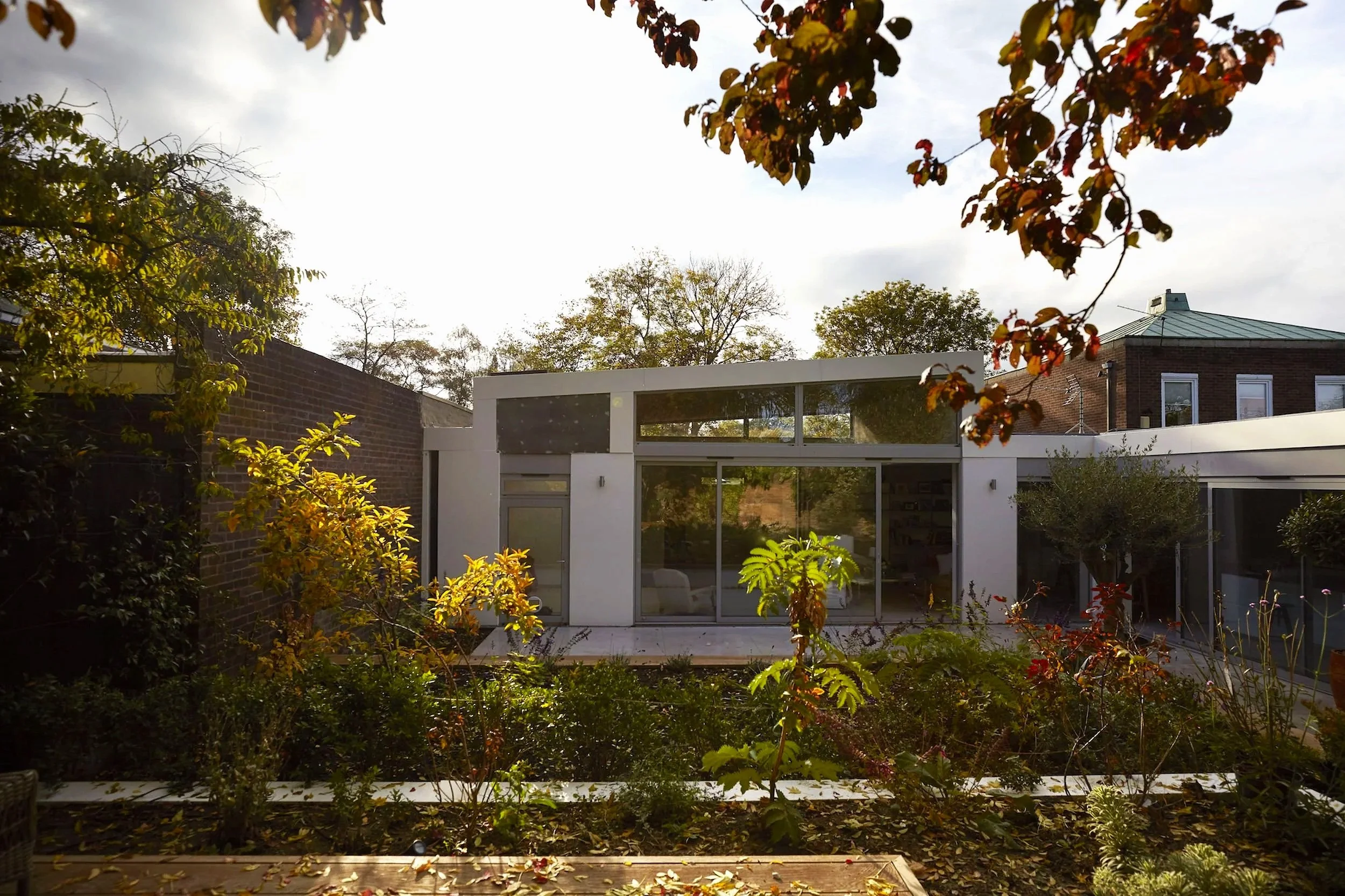
The Estate's origins can be traced to 1605, when Edward Alleyn, the Elizabethan actor and theatrical entrepreneur, purchased the Manor of Dulwich. In 1619, he established a charitable foundation that would help shape the development of the area for centuries to come.
Throughout the twentieth century, Dulwich underwent considerable residential development. Between 1957 and the late 1960s, more than 2,000 new homes were constructed through a partnership with Wates, with designs by Austin Vernon & Partners.
This period left a particularly important architectural legacy. The area's mid-century houses are recognised for their thoughtful proportions, natural light and relationship with their surroundings.
Today, the Estate continues to balance the preservation of this architectural heritage with the needs of a changing residential community.
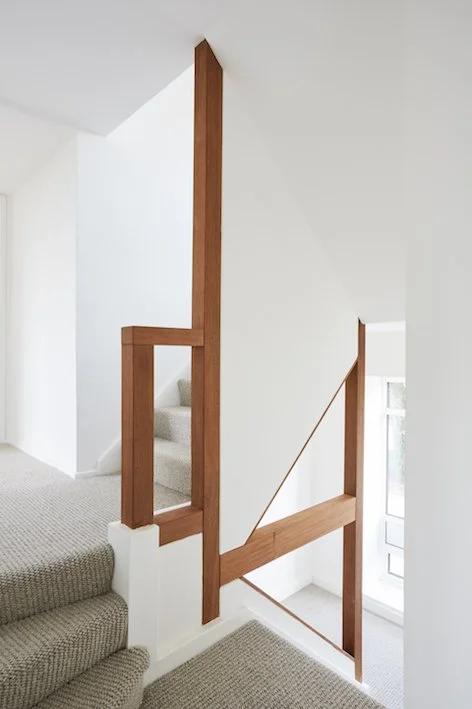
MAB has worked on a number of residential projects across the Dulwich Estate, including the refurbishment and adaptation of original mid-century properties.
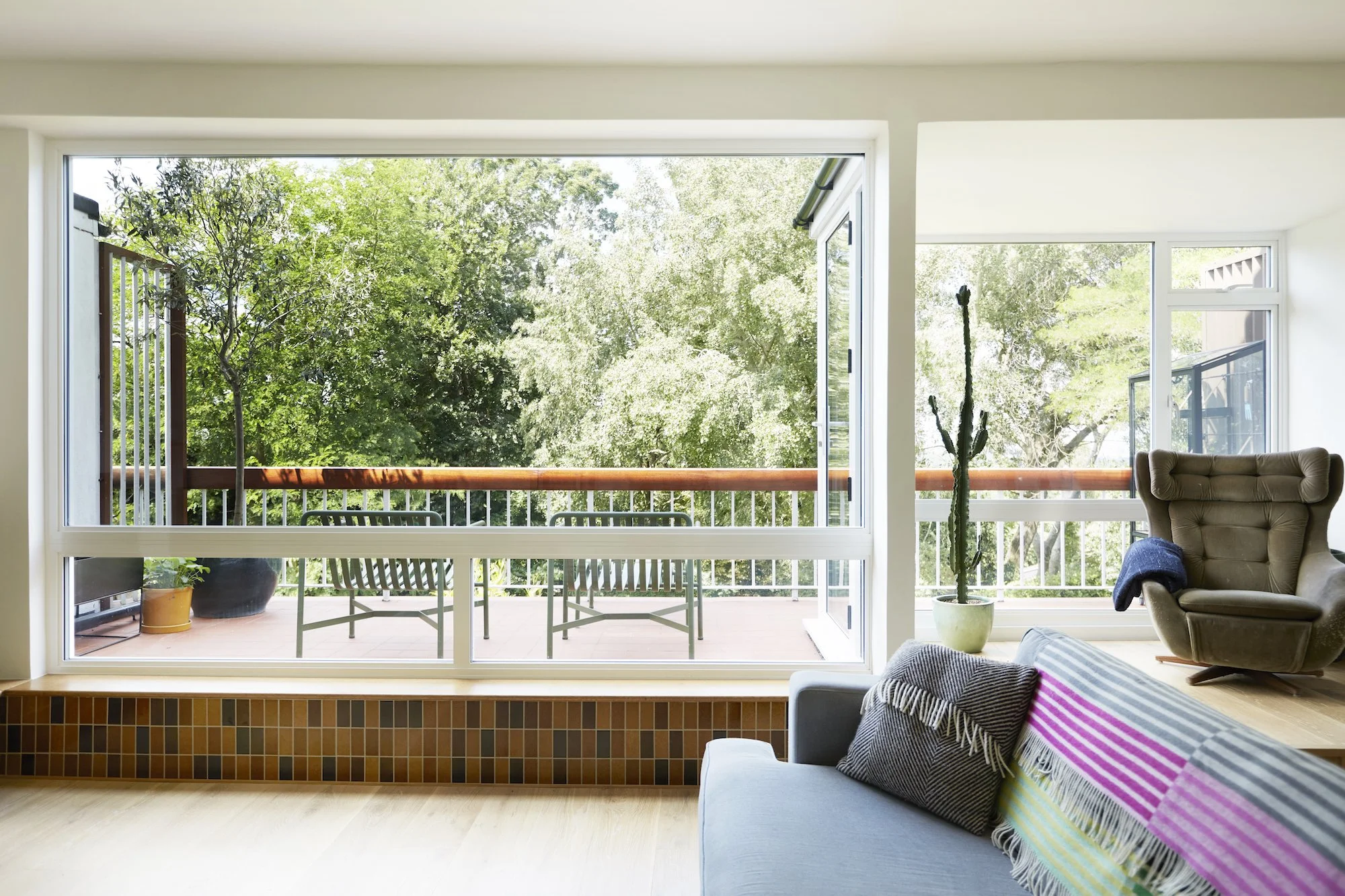
At College Gardens, a 1960s townhouse designed by Russell Vernon was reorganised to improve circulation, storage and everyday family life while retaining the strengths of its original design.
At Woodsyre, the refurbishment of a four-storey townhouse created flexible spaces for a young family, with permission also secured for a future loft extension.
At Tollgate Drive, a kitchen extension and remodelled garden helped create a more open, sociable home.
Together, these projects illustrate different approaches to adapting existing homes within the Estate's distinctive architectural setting.
The Dulwich Estate is one of South London's most distinctive residential settings, with an architectural history spanning several centuries.
Its character comes from an unusually rich combination of historic buildings, green spaces and twentieth-century housing, including an important collection of post-war and mid-century homes.
For homeowners considering renovation or extension, understanding this architectural context is an important starting point.
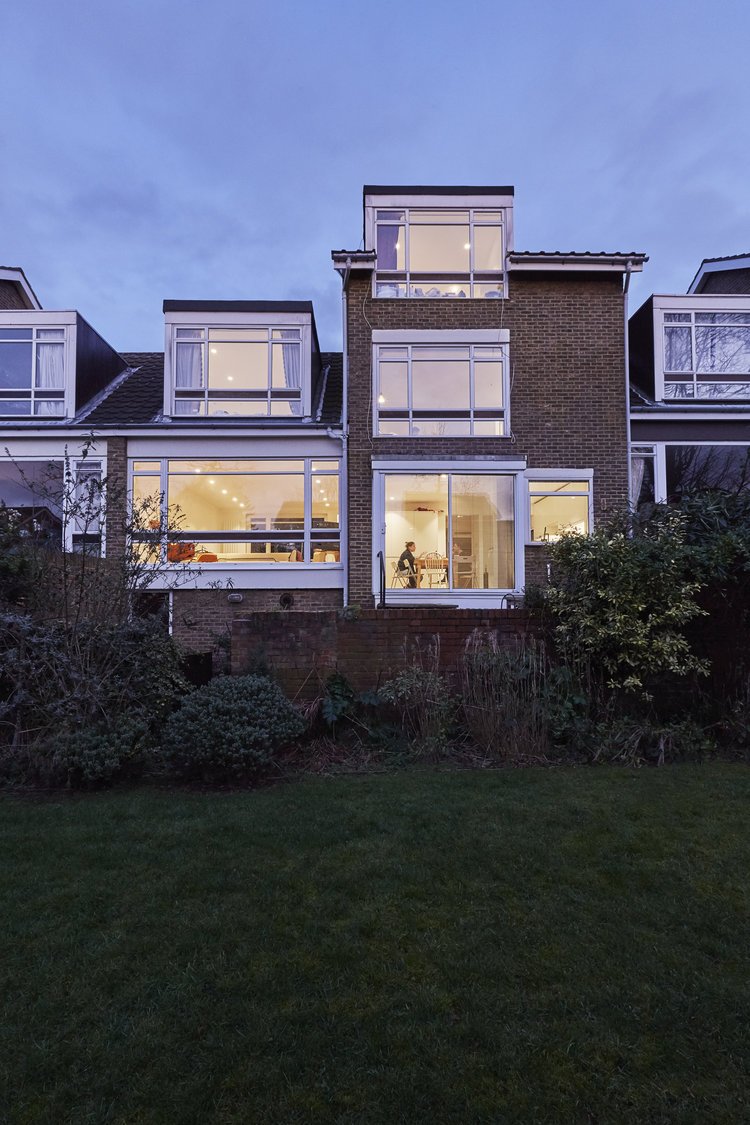
Renovating a home on the Dulwich Estate
Updating an existing home offers an opportunity to improve how it functions without losing the qualities that make it distinctive.
In mid-century properties, this may involve reconsidering internal layouts, introducing more practical storage, improving connections to gardens or adapting spaces to accommodate changing family needs.
The starting point is understanding the existing building: what works well, what deserves to be retained and where thoughtful alterations can make the greatest difference.
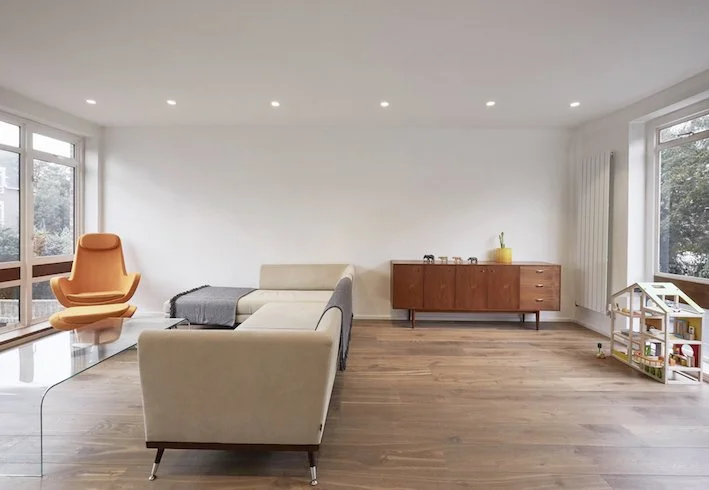
Understanding the Scheme of Management
Properties on the Dulwich Estate are subject to particular requirements intended to protect the character of the area. The Estate's Scheme of Management, approved in 1974, provides a framework for considering alterations to buildings and gardens.
Works affecting the external appearance of a property generally require prior written approval from the Scheme of Management Office. Depending on the proposal, separate local authority planning permission and other statutory approvals may also be necessary.
Understanding these requirements early in the design process can help homeowners make informed decisions about their plans.
Considering a project on the Dulwich Estate?
Whether you're exploring a refurbishment, extension or changes to an existing property, MAB can help you consider the possibilities and understand the architectural questions involved.
You don't need a fully developed brief to start a conversation.